By Joseph Leggs, Escondido, CA
The Engine Is Always Talking
Your engine won’t send you a text message when something is wrong, but it does communicate. Every sound, vibration, and wear pattern tells a story if you know how to read it. Most owners wait until the check engine light comes on or something catastrophic happens. By then, you’re looking at expensive repairs instead of preventive maintenance.
I’ve torn down hundreds of engines over the years, and the damage I see is rarely sudden. It builds over time. The good news is that if you pay attention early, you can catch problems while they’re still manageable.
What Metal Shavings Tell You
When I drain oil, I’m looking at more than just color. Metal particles in the oil pan or on the magnetic drain plug tell me exactly where wear is happening.
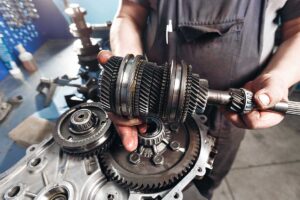
Aluminum flakes usually point to piston or cylinder wear. Bronze or copper fragments suggest bearing surfaces are deteriorating. Steel shavings often come from gears or camshafts. The size matters too. Fine metallic dust is normal, especially in the first few hundred miles after a rebuild. Larger chunks are not.
If you’re doing your own oil changes, take a close look at what comes out. A magnetic drain plug makes this easier. Wipe it clean, and if you see buildup on the next change, start asking questions.
Listening to Valve Train Noise
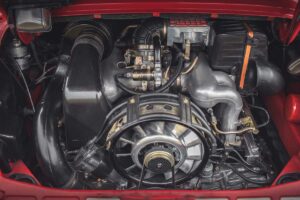
Valve train noise is one of the most misunderstood sounds in an engine. A light ticking at idle, especially on a cold start, is normal for many air-cooled and early water-cooled Porsches. That’s just valves doing their job.
What you don’t want is a harsh clattering or a noise that gets louder as the engine warms up. That can mean valve clearances are out of spec, lifters are failing, or cam lobes are wearing unevenly. On hydraulic lifter engines, a lifter that’s stuck or collapsed will sound like a sewing machine.
I tell people to learn what their engine sounds like when it’s healthy. Record it if you have to. Then when something changes, you’ll notice immediately.
Bearing Knock Is Not Negotiable
A deep, rhythmic knocking from the lower end of the engine is rod bearing wear. This is not something you monitor. This is something you stop driving for.
Rod bearings fail when oil pressure drops, contamination gets into the oil, or clearances open up from wear. Once you hear that knock, metal is already touching metal. Keep driving and you’ll turn a bearing replacement into a full engine rebuild or a destroyed crankshaft.
I’ve had customers bring me engines where the knock “just started this morning.” When I open them up, the damage has been progressing for thousands of miles. They just didn’t hear it until it was loud enough to ignore.
What Compression Numbers Mean
A compression test is one of the simplest diagnostic tools, and it gives you a snapshot of ring seal, valve seal, and overall cylinder health.
I look for consistency across all cylinders first. If one cylinder is reading 20 percent lower than the others, I’m checking valve adjustment, looking for a bent valve, or suspecting worn rings in that bore.
Low compression across the board usually means ring wear. High compression can indicate carbon buildup on the piston tops, which creates hot spots and can lead to detonation.
A leakdown test takes this further. It tells you where the air is escaping: past the rings, through the valves, or into the cooling system. That distinction saves a lot of guesswork.
Smoke Color Matters
Blue smoke on startup that clears up means valve seals. Blue smoke under load means rings. White smoke is coolant burning, which points to a head gasket or a cracked cylinder head. Black smoke is overfueling, which is usually not an engine wear issue but still worth addressing.
I watch exhaust carefully on cold starts and during throttle transitions. A puff of smoke once in a while might not be a crisis, but consistent smoke is your engine asking for help.
Oil Consumption Patterns
Some oil consumption is normal, especially in older or high-mileage engines. What matters is whether consumption is stable or accelerating.
If you’re adding a quart every 1,500 miles and it’s been that way for years, you’re managing wear. If you go from no consumption to a quart every 500 miles in six months, something has changed. That’s when I start looking at rings, valve guides, or a PCV system that’s creating too much crankcase pressure.
Track your oil level between changes. Write it down. A pattern tells you more than a single data point.
What to Do When You Notice Something
Don’t ignore it. Don’t wait for the next oil change if the noise is new or the smoke just started. Bring it to someone who knows these engines and can translate what the car is saying.
I’ve saved people thousands of dollars by catching valve guide wear early or adjusting clearances before a cam lobe went flat. I’ve also seen engines that could have been saved with a bearing job turn into total losses because someone kept driving.
Your Porsche’s engine is constantly giving you information. Learning to read it is part of ownership, and it’s one of the most valuable skills you can develop as a driver.