Working on Porsche gearboxes has taught me a lot over the years. Some people think engines are the most complex part of the car, but gearboxes can be just as demanding. They are responsible for transferring power from the engine to the wheels, and when something goes wrong, you feel it immediately.
I have worked on everything from manual transmissions to modern PDK systems, and while they are very different in design, they share one thing in common. They all rely on precision, clean fluid, and proper maintenance to stay healthy.
In this article, I want to break down the most common Porsche gearbox problems I see, why they happen, and what owners can do to prevent them.
Why Porsche Gearboxes Are So Sensitive
Porsche builds high-performance gearboxes that are designed for speed, smooth shifting, and long-term durability. But that level of engineering also means the systems are less forgiving when maintenance is ignored.
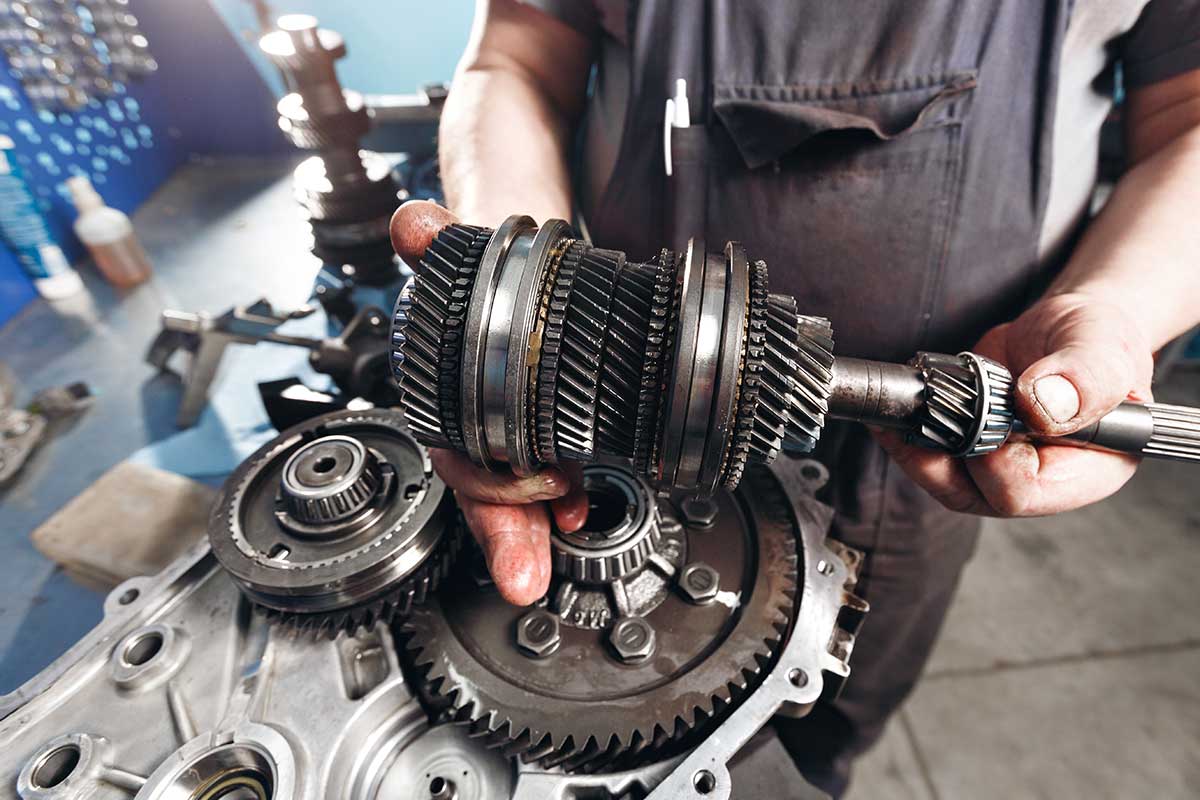
Inside a gearbox, everything depends on tight tolerances and clean lubrication. Gears, synchronizers, clutches, and bearings all work together under load. If the fluid breaks down or wear begins to build, the damage can spread quickly.
Most gearbox problems I see do not happen overnight. They develop slowly over time, usually because of small issues that were not addressed early.
Worn Synchronizers in Manual Transmissions
One of the most common problems in manual Porsche gearboxes is worn synchronizers.
Synchronizers help match gear speeds during shifting. When they are worn, shifting becomes harder and less smooth. Drivers often notice grinding, hesitation when shifting, or a general stiffness when moving between gears.
This wear usually comes from normal use, but it can be made worse by aggressive shifting, clutch wear, or low-quality transmission fluid.
I always tell owners that if shifting starts to feel different, it is worth paying attention. Catching synchronizer wear early can sometimes prevent more serious internal damage.
Clutch Wear and Slipping Issues
Clutch wear is another common issue, especially in vehicles that are driven hard or used in stop-and-go traffic.
A worn clutch can cause slipping, where the engine revs increase but the car does not accelerate properly. It can also lead to a burning smell or difficulty engaging gears.
In performance cars like Porsche, the clutch system is designed to handle power, but it still wears down over time. Driving habits make a big difference here. Holding the car on a hill with the clutch, aggressive launches, or constant heavy traffic driving can shorten clutch life significantly.
Once a clutch starts to slip, it usually does not improve. It tends to get worse until replacement is needed.
PDK Transmission Mechatronic Issues
Modern Porsche models equipped with PDK transmissions have introduced a different set of challenges.
One of the most common issues I see involves the mechatronic unit. This is the system that controls gear changes electronically and hydraulically.
When problems develop, drivers may notice rough shifting, delayed engagement, or warning lights on the dashboard. Sometimes the transmission may even go into a protective mode.
These issues can be caused by sensor failures, fluid contamination, or internal wear inside the control unit. Because the system is so advanced, diagnosis has to be done carefully and methodically.
The key with PDK systems is early detection. Small issues can often be managed before they lead to larger failures.
Bearing Wear and Internal Noise
Another issue that appears in both manual and automatic gearboxes is bearing wear.
When bearings begin to fail, drivers may hear whining, humming, or rumbling noises that change with speed. These sounds often get louder over time.
Bearing wear usually develops from long-term stress or contaminated fluid. Once bearings start to break down, metal particles can circulate through the gearbox and cause additional damage.
This is one of those problems that should never be ignored. Early intervention can sometimes prevent full gearbox failure.
Fluid Breakdown and Lack of Maintenance
If there is one issue that causes more gearbox problems than anything else, it is neglected fluid service.
Transmission fluid is responsible for lubrication, cooling, and smooth operation. Over time, it breaks down and loses its effectiveness.
When fluid is not changed regularly, it can become dirty and contaminated with metal particles. This increases wear on internal components and reduces overall performance.
Many Porsche owners assume transmission fluid lasts forever, especially in modern vehicles. That is not the case. Regular service is one of the simplest ways to extend gearbox life.
How Driving Habits Affect Gearbox Life
Driving style plays a major role in gearbox longevity.
Hard shifting, frequent aggressive acceleration, and improper clutch use all increase stress on internal components. Even small habits, like resting a hand on the shifter in a manual car, can contribute to long-term wear.
On the other hand, smooth shifting, proper warm-up before driving hard, and consistent maintenance can significantly extend gearbox life.
I always remind owners that these systems are built for performance, but they still benefit from mechanical respect.
Early Warning Signs You Should Never Ignore
Most gearbox problems give early warning signs before they become serious.
These can include difficulty shifting, unusual noises, vibration during acceleration, slipping clutch behavior, or delayed engagement in automatic systems.
When these symptoms appear, it does not always mean a major failure is happening immediately. But it does mean something is changing inside the system.
The sooner it is inspected, the more options you usually have.
My Approach to Gearbox Repairs
When I diagnose a Porsche gearbox, I always start with a full evaluation. I do not rely on guesswork. I look at fluid condition, test drive behavior, scan for faults, and inspect components as needed.
Every gearbox tells a story. The goal is to understand what is happening inside before deciding on repair or rebuild options.
In some cases, a simple service or component replacement can solve the issue. In others, a full rebuild is the best long-term solution.
Final Thoughts
Porsche gearboxes are strong and well engineered, but they are not immune to wear. Like any precision system, they depend on proper maintenance and careful use.
Most gearbox problems I see could have been reduced or delayed with earlier attention. That is why I always encourage owners to pay attention to small changes in how their car feels.
If something does not feel right, it is worth having it checked. Catching a problem early can often make the difference between a minor repair and a major rebuild.
At the end of the day, a healthy gearbox is what keeps the driving experience sharp, smooth, and enjoyable.